
超级战舰
Proposed US rule barring China science collaboration sparks outcry from US scientists_我的网站

A |
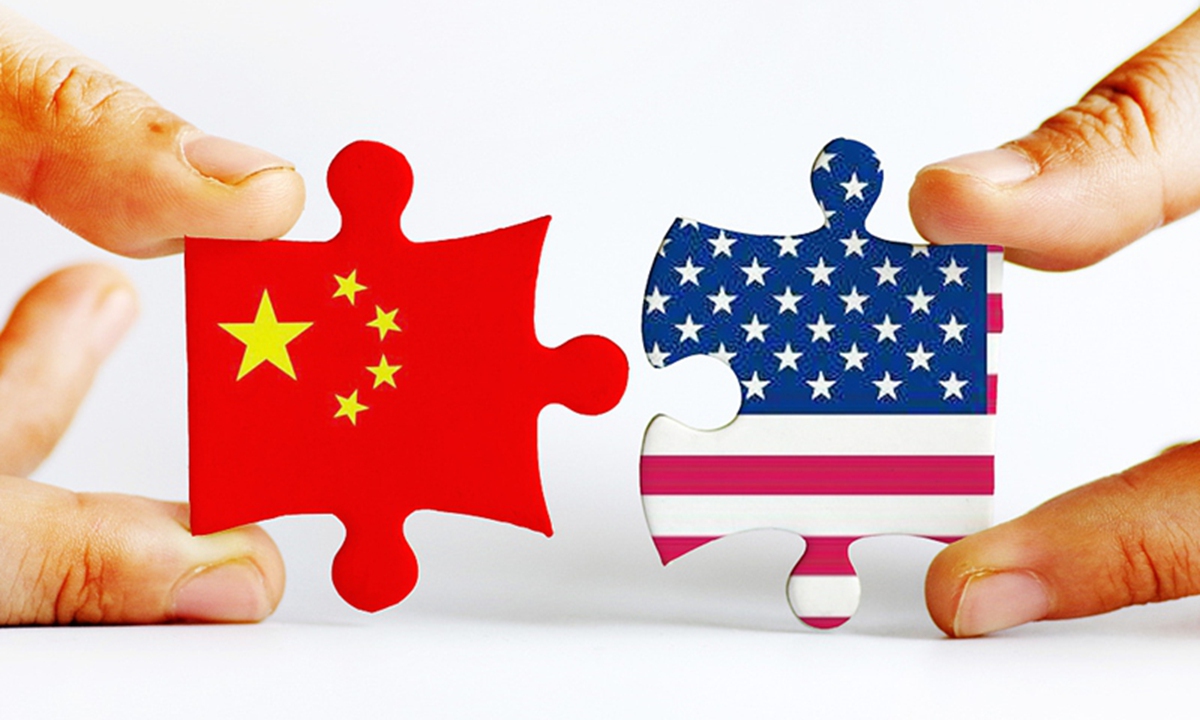
The proposed Office of Management and Budget (OMB) rule, set to take effect in December, would mark one of the biggest overhauls of US science funding in decades, giving political appointees greater authority over grant awards previously guided by scientific peer review and requiring that they "advance the President's policy priorities," according to the Washington Post.
It would also effectively expand the 2011 Wolf Amendment, which bars scientists from using NASA funding for bilateral collaborations with China, to all federal agencies and scientists receiving federal funds, marking the largest break in US-China scientific engagement in decades, the US media outlet reported.
So far, the proposed rule has garnered nearly half a million public comments, many from scientists and leading US science bodies. A Washington Post analysis of 50,000 of those comments found that around 88 percent were negative.
The rule, initially set to take effect in October, was pushed back to December after a bipartisan stopgap funding bill temporarily halted its adoption. Unlike the Wolf Amendment, the rule does not require congressional approval to take effect.
"I do think there are still members of Congress who think we have a monopoly on knowledge. They think we're still in the Cold War Soviet era ... where we were ahead in most areas of science and technology. That is not the case with China. We are no longer the leader in many areas of science," said Tobin Smith, senior vice president for government relations and public policy at the Association for American Universities, which advocates on behalf of leading US research universities, per the Washington Post.
Scientists warn that the rule risks subjecting long-term scientific research to four-year political cycles. "We will not succeed if with every new administration we are ping-ponging back and forth about priorities," the American Association for the Advancement of Science said in a blistering comment, urging the administration to withdraw the rule. "Fast-tracking such profound changes ... hands an easy victory to nations like China," it said, the Washington Post reported.
This reflects a fundamental divide between the US government and the scientific community over how science should develop, Wang Yiwei, a professor at Renmin University of China's School of International Studies, told the Global Times. He noted that politicians tend to believe that suppressing China as a competitor would allow the US to preserve its market dominance and technological edge.
Scientists, however, tend to follow a different logic, as scientific progress depends on openness, exchanges and collaboration. If science and technology are driven solely by competition and private capital, with the ultimate goal of maintaining technological monopolies, this could create greater risks and ultimately undermine US interests as well, Wang said.
The proposed rule change is the latest salvo in a broader battle in Washington over how to respond to China's rise as a scientific superpower. In July, the US National Science Foundation (NSF) also moved to ban collaborations between scientist it funds and many Chinese research institutions and their employees, according to Science magazine.
Liu Shaoshan, director of the Center for Embodied AI at the Shenzhen Institute of Artificial Intelligence and Robotics for Society and a former US-based researcher, told the Global Times in a previous interview that the NSF's new proposed rules created a "talent wall," arguing that restrictions based on nationality, institutional affiliation, and research partnerships could reduce the global talent pool available to the US, weaken its ability to attract leading scientists, and slow scientific innovation.
Liu also said scientific advancement relies not only on discovery but also on the exchange, validation, and dissemination of knowledge.
Wang also said China has built significant strengths through its vast pool of scientists and engineers, complete industrial chains and massive application scenarios, while increasingly moving from application-oriented innovation toward original research. Against this backdrop, US technological blockades and restrictions on cooperation are unlikely to halt China's progress, but could instead isolate American scientists from China's latest research and collaboration opportunities. Such an approach could also prevent the two countries from leveraging their respective strengths and ultimately undermine US competitiveness, Wang said.
。 8月25日消息,近日,山东东营一段油罐车恶意别车的视频引发网络热议。 视频由后车内乘客拍摄记录,涉事危化品运输车因嫌前方轿车行驶速度偏慢,超车后多次别车,危险操作持续近3分钟。 据拍摄者介绍,事发国道,当时自己车辆行驶在最左侧车道,另有一台私家车在右侧车道,两车并排正常通行。 后方油罐车意图超车,希望前车进行避让。该路段小车限速70km/h,拍摄者车辆正按限速行驶,旁边私家车也并未避让。 车辆行至红绿灯路口停下后,这辆油罐车从最右侧车道加速超车,随后开始对右侧私家车实施别车行为,反复压线恶意干扰对方正常行驶,危险行为持续将近三分钟。 事件曝光后,不少网友喊话当地交警介入处置。
今日,山东东营交警发布警情通报:针对网传“一危化品运输车在行驶过程中别车”视频,东营交管部门迅速开展调查核实。 经查,2026年8月22日18时15分许,纪某(男,39岁)驾驶危化品运输车(空车)沿广青路由西向东行驶时,在超越前方车辆后连续变道、别车,影响后方车辆安全行驶,纪某对违法事实供认不讳。 依据《中华人民共和国道路交通安全法》等法律法规,东营交管部门依法对纪某作出罚款250元、记3分的行政处罚,并对车辆所属企业下达隐患整改通知书,督促企业严格落实主体责任。

B |
【本文结束】如需转载请务必注明出处:
责任编辑:秋白
文章内容举报
。
C |
Current article:http://h7m6krh.shuicengchongmingnouhuawang.bond/list_bmlbdq/sir.html
Published on:22:28:02
美女与野兽_Random reading
- 08-21工党官宣第54届国会团队阵容 部分资深议员排名大跌
- 08-23万讯自控:半导体等新兴领域整体营收比例较低 尚处于起步阶段
- 08-22《星球大战™星际战斗机™》讲述了来自“银河系边缘地带”的“边缘化局外人”的故事
- 08-22提议制造恐慌打压Kimi K3?OpenAI新主管连夜澄清
- 08-21颜值逆袭!玩家总结G胖多年变化:一年一个样
- 08-26Dhanush and Kriti Sanon’s Tere Ishk Mein enters the 100-crore club
- 08-22Uber Sued by 550 Women in US Over Sexual Assault by Drivers
- 08-23贝泰妮:2026H1扣非劲增35%,多品牌矩阵兑现提速
- 08-24Brexiteers Have the Edge in Tory Race to Replace BoJo, Says Academic
- 08-23女武神天貓合演大龍鳳

4公司声讨战狼2_Active users
- 国际泳联提高巴黎奥运会游泳达标门槛
- 5.6-magnitude earthquake hits Qinghai in NW China: CENC
- 《命运方舟》开发商新作《蚀:觉醒》开启角色预创建
- 埃隆·马斯克的Twitter交易可能会打击杠杆收购市场
- 深圳华智融科技股份有限公司深圳市商雅达科技有限公司
- 《洛克王国:世界》登陆PS5!商店页面上线 截图公开
- US watchdog says Taliban benefiting from international aid through 'fraudulent' NGOs
- 英伟达财报即将登场!高盛:若不释放这三大利好 股价恐仍将下行
- Chinese university plans to allow students to bring pets to campus
- 西安地铁10号线事故通报:试车时处置不当
- 太阳能电池板突起火 专家:与安全安装息息相关
- 中国医药:上半年归母净利润2.49亿元,同比下降15.26%
- 厦门市第三幼儿园元旦节放假通知
- 电子特气龙头半年报“悲喜不相通”:华特气体营收净利双升、金宏气体增收不增利
- 泉州市关工委举办助学金发放仪式
- 有人为申请贷款办假收入证明 有人为拉投资伪造房产证 假证贩子牵出伪造证章串案
- 赵龙主持召开企业座谈会
- 炬芯科技:上半年净利润1.09亿元 同比增长19.07%
小三_Hottest this week
- 08-243500万加盟维拉!英超首位日本门将,上演生涯5年4级跳
- 08-21“Kimi时刻”反而利好芯片?华尔街:“杰文斯悖论”将再度应验!
- 08-24Beyond books
- 08-26PM releases 12th instalment of Rs 16K cr under PM-KISAN through Direct Benefit Transfer
- 08-21葵园筑彩梦,童心向未来——中关村一小顺义学校心理健康节活动
- 08-23人社部:一季度全国城镇新增就业303万人
- 08-23जम्मू में संकट आया तो मदद के लिए आगे आई ट्रेडर्स फेडरेशन, प्रभावित लोगों के लिए शुरू की लंगर सेवा
- 08-20国企建功自贸港:“助力海南特色农产品拓展国际市场”,国企建功自贸港:“助力海南特色农产品拓展国际市场”
- 超级战舰 copyright
- Some of the content comes from the Internet. If you have any offence, please raise it.